


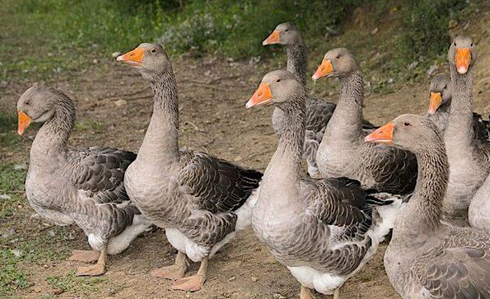
 Les oies gersoises
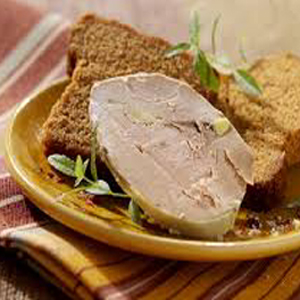 Le foie gras
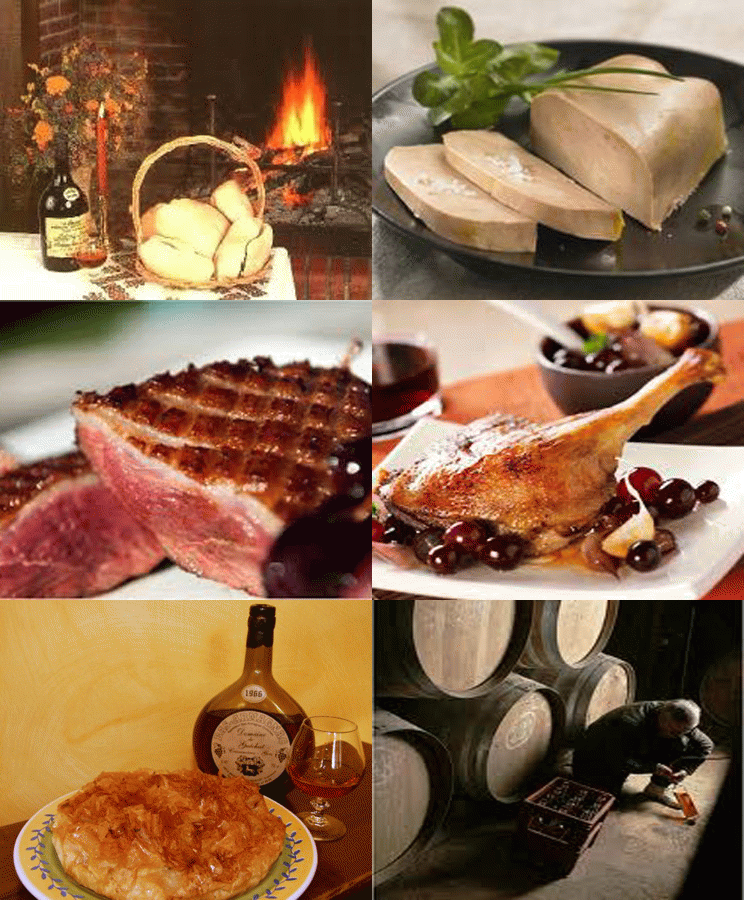
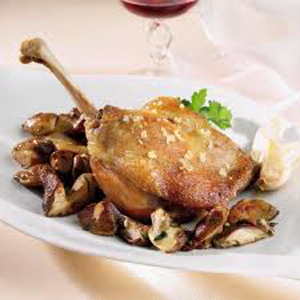 Le confit
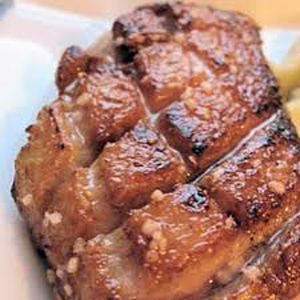 Le magret
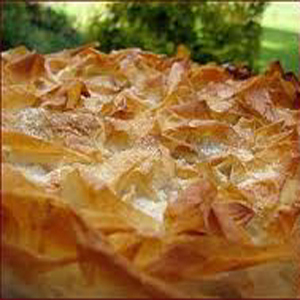 Le pastis gascon
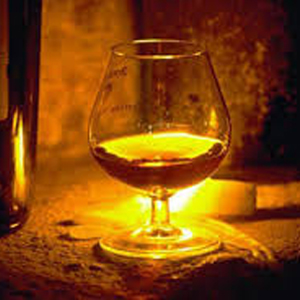 L'Armagnac
 Gascony is well known for its art of living and its conviviality... The renowned Gascony cuisine, goose or duck "foie gras", the
"confit", the "garbure", local wines, the "Armagnac", the "Floc de Gascogne", the sweet taste of the "croustade" and the "pastis gascon" ...
Welcome you to Gers, land of taste buds heaven.
The "foie gras"
Even in ancient times, the Egyptians loved the tasty flesh of the geese. The Romans fed them with figs to enhance the flavour of
their livers.
In the Gers, the tradition has been kept with the breeding since ancient Rome. Now, the "foie gras" is a starter of choice, for a special
meal such as birthday or event, all year long.
Goose or duck?
When tasting, you will note a difference between the goose finer and melting in the mouth, and the duck with
its typical taste, more rustic taste.
To start a sumptuous meal or to welcome some friends, you can serve a jarred cooked "foie gras" made from a grandmother recipe, or half
cooked in "terrine" or freshly pan fried.
No matter how the "foie gras" is prepared, we close our eyes to savour it.
The "confit" (duck leg confit)
The famous "'confit" takes its name after the method of preparation. First, the best parts of the goose or duck are put into salt,
then cooked in their fat. The "confit" is made in winter.
Cook it placed it in a pan or dish in a hot oven, until the skin is brown.
Served it with green beans, sauted patatoes, porcini mushrooms ...
"confit" is a compulsory element of the "cassoulet".
The "magret"
This term which origin Gascony refers to the filet of the force-fed goose to make the "foie gras" now takes part of the traditinnal cuisine.
In Gascony, "magret" refers to the ('foie gras') goose or duck breast. Part of the traditional cuisine, it's served hot, cooked on
barbecue ashes or in oven, with vegetables. It can also be salted and dried like a cured ham.
The "croustade" and the "Pastis Gascon"
This traditional dessert follows a simple recipe (flour, water, salt, egg yoks) but is a bit hard to make and requires some skills.
This well kept grandmothers secret it as been transmitted from generation to generation. They were the only ones who knew how to stretch the pastry
until it's thin and transparent like a sheet.
This dessert available on most Gascony tables mixes apples and Armagnac flavours.
The Gers vineyard and "Armagnac"
The Gers vineyard starts during the Gallo-roman period. Today, it stretches mainly in the west part of the country. The Gascony wines richness and diversity come from the right soil, climate and expertise combination.
The "Armagnac" name :
It is divised into three areas of production shaped into a vine leaf.
- Low-Armagnac
- Armagnac-Ténarèze
- High-Armagnac.
The mentions :
-"Three stars" is given to less than one year (in barrel) Armagnacs.
-"V.S.O.P." ou " Réserve " is given to four years old Armagnacs (preserved in barrel).
-"Extra" "Napoléon" ou "Vieille Réserve" for at least five years old Armagnacs (barrel).
-"Hors d'Age" for at least ten years old Armagnacs.
"Vintage" refers to the harvest year (of the wine needed to develop the liquor).